Insurance for Bobcat
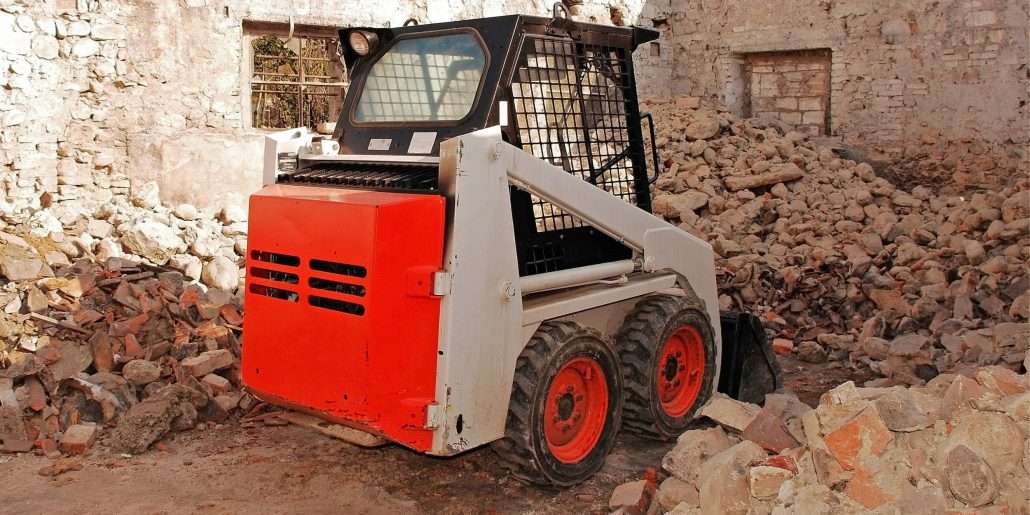
Bobcats, the versatile and powerful loaders used across various industries, are important to daily operations in construction, landscaping, and agriculture. Due to their important role and the investment associated with purchasing bobcats, it’s only natural to think about protecting them and your business with the right bobcat insurance.
What Is Bobcat Insurance
Bobcat insurance is actually a type of commercial equipment insurance designed specifically for bobcat loaders and similar machinery. This type of insurance covers several essential areas:
- Physical Damage: Coverage for repair or replacement of your bobcat due to accidents, theft, fire, and other covered perils.
- Liability Insurance: Protects against claims of property damage or injury caused by your bobcat during operations.
- Downtime Coverage: Compensates for business interruption and rental costs if your bobcat is out of commission due to a covered loss.
Furthermore, bobcat insurance can be tailored to include additional coverages based on your specific business needs and local regulations.
Why Do You Need Bobcat Insurance
If you own a bobcat, you need bobcat insurance. It sounds simple because it is. So, here are four reasons why you absolutely need bobcat insurance:
- Protect your investment: Let’s start with the obvious: bobcats cost a lot so you don’t want to leave things to chance in case of repairs or replacements. You want your bobcat insurance to cover costs caused by accidents or theft.
- Cover compensation claims: If your bobcat accidentally causes damages or injures someone, you want to have an insurance to cover the potential huge compensation claims and legal fees associated with this type of event.
- Keep things legal: Australia regulations require machinery owners to have appropriate insurance. Getting bobcat insurance is the best way to avoid hefty fines.
So, in the end, bobcat insurance in Australia is about peace of mind. It lets you focus on the job without worrying about “what ifs.” Whether it’s damage, theft, or liability, having that coverage means you can keep operating smoothly without any nasty financial surprises. It’s just smart business.

What Are the Risks of Not Having Bobcat Insurance
Not having bobcat insurance can leave your business exposed to several significant risks:
- Financial Exposure: If your bobcat gets damaged or stolen, you’re looking at potentially huge costs to fix or replace it.
- Liability Issues: Without insurance, any claims made against you for potential accidents could see you forking out vast amounts in damages and legal fees.
- Operational Downtime: If your bobcat is out of action due to damage and you don’t have coverage, you’re not just dealing with repair costs. You’ll also lose out on the income you would have earned if that bobcat was operational.
- Compliance and Contractual Breaches: Depending on your industry and location, there might be regulations that require specific insurance coverage. Not having it can mean you’re not just risking fines but also breaching contracts with clients or lease agreements with financiers.
Considering all of the above, not having bobcat insurance is a risk that can lead to financial strain, legal troubles, and operational headaches. And no business owner wants all that!
What Factors Affect the Cost of Bobcat Insurance
There are several factors that can affect the bobcat insurance premium. Here are some of the most common ones:
- Bobcat Value: More expensive bobcats cost more to insure. The replacement value drives up the insurance cost, as insurers are expected to pay more if something goes wrong.
- Usage Intensity and Conditions: Regular use on rough terrain or in high-risk environments (like busy construction sites or areas prone to natural disasters) can increase the risk of damage or loss, bumping up your premiums.
- Location: Operating in a region with high crime rates or adverse weather conditions? That’s going to impact your insurance costs because the risk of theft or weather-related damage is higher.
- Claims History: If you’ve made insurance claims in the past, insurers might view you as a higher risk, which could increase your premiums. Keep your insurance claims to a minimum, and you’ll get a lower premium.
- Deductibles: The amount you’re willing to pay out-of-pocket before insurance kicks in can also affect your premiums. Higher deductibles usually mean lower monthly costs, but you’ll need to make sure you can cover that excess comfortably if you ever need to make a claim.
By considering these factors, you can better understand the potential costs and work towards optimizing your insurance expenses.